
Travelling can be more rewarding when the right credit card is paired with travel plans. Travel credit cards are designed to deliver benefits that matter to travellers, from collecting points for flights and accommodation to access to airport lounges and built-in travel insurance. This article explains how travel credit cards generally work in New Zealand, what features to compare, common costs to watch for and practical steps to decide which product may suit different travel habits.
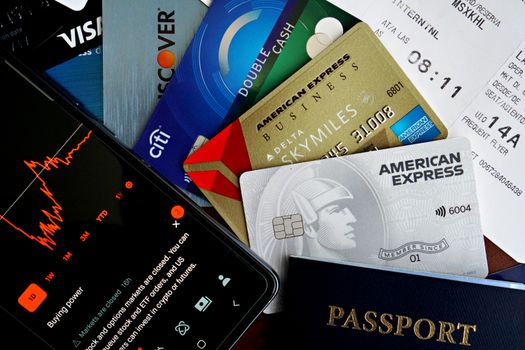
What are travel credit cards?
Travel credit cards are a category of credit card that focuses on travel-related rewards and benefits. Rather than paying cash for travel expenses, cardholders earn points or travel credits for everyday spending which can later be redeemed for flights, hotel nights, upgrades or partner rewards. Many travel cards also bundle benefits such as travel insurance, lounge access and concierge services.
Core features
- Rewards currency: points, miles or cashback that can be redeemed for travel-related purchases or converted to frequent flyer schemes.
- Travel perks: complimentary travel insurance, airport lounge access, priority boarding, or companion tickets.
- Redemption flexibility: options to redeem points directly with airlines, via a rewards portal, or for statement credits against travel purchases.
- Fee structure: annual fees, foreign transaction fees and interest rates that affect the total cost of using the card.
How rewards are typically earned
Most travel credit cards award points based on the amount spent. Cards may offer higher points earning rates for particular spending categories such as flights, dining or travel bookings. Some cards have introductory offers that provide accelerated points for a limited period after account opening. Points may be earned on everyday purchases as well as on travel-related transactions.
Benefits of travel credit cards
Travel cards can deliver value in several ways. The actual value depends on how points are earned and redeemed, the frequency of travel and whether the cardholder takes advantage of bundled benefits. Typical benefits include:
Rewards and redemptions
Points that accumulate can be exchanged for flights, hotels, upgrades and travel-related purchases. When points are transferred into frequent flyer programmes, they can be used for classic rewards or upgrades, subject to availability and partner rules.
Travel protections
Many travel cards include elements of travel insurance, such as overseas medical cover, trip cancellation or lost luggage protection. Insurance inclusions commonly have eligibility conditions such as paying for the trip with the card and limits on cover amounts. It may be helpful to read the terms and conditions carefully before relying on any insurance benefit.
Airport lounge access and priority services
Some cards include complimentary lounge visits or membership to lounge networks. Extras such as fast-track security, priority boarding or dedicated customer service lines can make travel more comfortable, especially for frequent travellers.

Common fees and costs to watch
Benefits can outweigh costs for some users but not for others. It can be useful to weigh typical fees alongside expected benefits.
- Annual fee: Travel cards often include an annual fee in exchange for higher rewards and additional perks. The decision to pay an annual fee usually depends on how often travel benefits will be used.
- Foreign transaction fee: This fee applies to purchases made in a foreign currency. For travel-minded cardholders, a card with low or no foreign transaction fee can reduce the cost of overseas spending.
- Interest charges: Carrying a balance on a credit card attracts interest. Interest costs can quickly offset any rewards earned, so cards are typically most valuable when balances are paid in full each month.
- Cash advances: Taking out cash on a credit card usually attracts fees and higher interest rates and is often treated differently from regular purchases by reward programmes.
How reward value and redemption work
Understanding the practical value of rewards is central to judging a travel card. Points can vary in monetary value depending on the redemption route and any transfer partners involved.
Points value and transfer partners
Points may be worth different amounts depending on whether they are redeemed directly through a card’s rewards portal, transferred to a frequent flyer programme or used for statement credits. Transfer partners and any applicable transfer rates can influence how far points go when redeemed for flights or upgrades.
Availability and blackouts
Rewards flights and hotel redemptions can be subject to availability restrictions and blackout periods, particularly on popular routes or during peak seasons. Flexibility on travel dates and booking in advance may increase the chances of finding suitable redemptions.
Choosing the right travel credit card
Selecting a travel card involves matching card features to travel patterns, spending habits and tolerance for fees. Key considerations include:
- Travel frequency and destinations – Frequent international travellers may benefit more from a premium travel card than occasional travellers.
- Rewards alignment – If a particular airline or alliance is regularly used, cards that earn points compatible with that loyalty programme may provide better value.
- Fee-versus-benefit analysis – Compare the total expected benefit from insurance, lounge access and rewards against the annual fee and likely foreign transaction costs.
- Redemption flexibility – Cards with multiple redemption pathways, including the ability to transfer points to airline partners, tend to be more versatile.
- Interest and repayment terms – Consider whether an interest-free period is offered and how that fits with personal cashflow management. Carrying a balance can negate rewards value.
- Acceptance and payment network – International acceptance varies; Visa and Mastercard are widely accepted globally, while some merchant acceptance for other networks may be limited in certain countries.
Comparing travel benefits
When comparing travel benefits, consider how often each feature is likely to be used. For example, a companion voucher or annual free lounge passes can be valuable for frequent travellers but may not justify a high annual fee for those who travel infrequently. Likewise, built-in insurance can be beneficial but often requires specific conditions to be met.
Applying and what to expect
Applying for a travel credit card in New Zealand usually involves an identity check and verification of income and residency. Typical steps include filling in an online application, supplying proof of identity and possibly proof of income. The application may trigger a credit check which can affect credit history in some circumstances.
Processing times vary. Approval may be instant for some applicants, while others may be asked for additional documents or face a longer decision period. Once approved, physical cards and a welcome pack with terms and conditions are usually delivered by post.
Before submitting an application, it can be useful to compare cards through reputable comparison resources. A comparison will help identify features that align with travel preferences and financial circumstances. For example, comparison pages that focus on travel cards and frequent flyer options can help narrow choices. Helpful starting points include specialised comparison pages for travel cards and rewards programmes.
Responsible use and managing debt
Credit cards can be a useful tool when used responsibly. The primary risks associated with any credit card are interest charges from carrying a balance and the potential for overspending to chase rewards.
- Paying the balance in full each month preserves the value of rewards by avoiding interest charges.
- Know the billing cycle and the due date to avoid late payment fees and penalty interest rates.
- Be cautious about cash advances which typically incur immediate fees and higher interest rates.
- Monitor reward balances and expiry rules to avoid losing accumulated points.
Alternatives and complementary options
Travel credit cards are one approach to funding travel and earning rewards. Other options and complements include:
- Prepaid travel cards that lock in currencies before travel – they can help with budgeting and avoid some foreign transaction fees, though they may have loading fees.
- Debit cards that offer no or low overseas transaction fees for ATM withdrawals – useful for short stays or lower-cost travel.
- Loyalty programmes run directly by airlines or hotel groups – sometimes direct membership combined with strategic spending produces more value than a general travel card.
- Charge cards and specialised travel credit products – these can suit those who pay balances in full regularly and seek premium benefits.
Common myths about travel credit cards
Myth: A travel card always pays for travel
Reality: Rewards can be valuable but rarely cover all travel expenses unless spending patterns and redemption choices align closely with the card’s strengths. Factors such as annual fees, foreign transaction fees and interest charges reduce net value.
Myth: Points never expire
Reality: Points expiry rules vary widely. Some programmes have points that expire after a period of inactivity, while others maintain points for longer. It is helpful to check expiry terms before relying on long-term accumulation.
Myth: All travel cards include comprehensive travel insurance
Reality: Insurance inclusions differ in scope and often include conditions such as paying for travel with the card and meeting residency or trip duration requirements. Reviewing the insurance policy wording is important to understand the level of cover provided.
How to compare cards effectively
When comparing travel credit cards, a structured approach helps to evaluate which features matter most. Consider the following checklist:
- Match rewards to preferred airlines or hotel groups and check transfer options.
- Estimate the annual fee and compare it with the expected value of benefits you will use.
- Examine foreign transaction fees and whether the card waives them for certain spending types.
- Check the details and limitations of included travel insurance, including excesses and sub-limits.
- Look at lounge access rules, number of included visits, and whether guests are included.
- Understand the interest rate and whether an interest-free period applies to purchases.
Online comparison tools can speed up this process by listing features side by side. For New Zealand travellers seeking a focused starting point, comparison pages dedicated to travel credit cards and frequent flyer options can be useful.
Summary
Travel credit cards can offer meaningful benefits for New Zealand travellers when chosen with care. Identifying travel habits, understanding the true cost of card ownership and comparing reward value against fees are central to making an informed decision. Responsible use, including paying balances in full and checking the details of travel insurance and redemption rules, helps preserve value.
For those wanting to explore specific travel-focused options, comparison resources that concentrate on travel credit cards, frequent flyer compatibility and broader rewards programmes can help narrow choices and highlight features that matter most.
Useful comparison resources to start with include travel-focused card listings and frequent flyer rewards pages available through specialist comparison sites.
Note: This article provides general information on travel credit card features and considerations. It is not personalised financial advice. Consider consulting a qualified financial professional for advice tailored to individual circumstances.
Further reading and comparison resources:
- Travel credit cards in New Zealand
- Frequent flyer credit card options
- Overview of credit card rewards in NZ

