
New Zealand’s middle-to-high income households often look for practical ways to manage everyday spending more efficiently. For those households that can comfortably meet their financial commitments and repay credit card balances in full at the end of each billing period, certain credit card features may provide additional value beyond being a simple line of credit.

A rewards credit card, when used properly, can add value to your everyday purchases. It may offer some short-term cash flow flexibility and access to additional benefits tied to the card. For middle-to-high income families who already manage their budgets well and pay their bills on time, this approach may provide a way to maximise the value of everyday spending without taking on unnecessary financial risk.
Why do many Kiwi households overlook credit card perks?
Many Kiwis see credit cards as something to avoid because of the high interest rates. This is understandable. Interest charges are costly if you carry a balance. The irony is that the households most capable of using credit cards safely, middle-to-high income earners who pay their bills on time and can pay their credit balance in full each month, are the ones who often avoid them altogether. As a result, many of these households potentially miss out on hundreds of dollars’ worth of benefits every year.
How to turn essential spending into rewards
Every household has unavoidable expenses which they are going to make anyway, when these expenses are funneled through the right rewards credit card, these expenses could provide additional value through reward points. And depending on the card, these reward points may be redeemable for options such as travel bookings, gift cards, statement credits etc. Note: the exact redemption option available varies for each card, and each credit card often has specific terms and conditions that applies.
Credit card sign-up bonuses
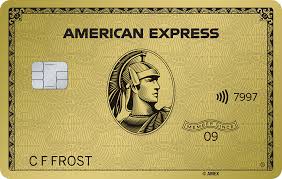
New Zealand’s credit card market has become increasingly competitive, with some cards now offering generous sign-up bonuses and ongoing reward points earn rates. For example, The American Express® Gold Rewards Credit Card offers $200 back when you apply, are approved and spend $1,500 in the first 3 months. (T&Cs apply. New Card Members only).
Credit card interest free days
Beyond rewards, one of the most powerful features of a credit card is the built-in interest free days. Most cards provide up to 55 days interest free on purchases. For families who pay their balances in full, this can provide short-term payment flexibility, provided the statement balance is paid in full by the due date.
Instead of money leaving your bank account when you buy groceries or fill up the car with petrol, the credit card pays upfront, giving you several extra weeks before repayment. When managed well, this delay is worth real money in interest savings.
It is important to note that if the balance is not paid in full, interest charges and other fees may apply, so it is important to pay your balance in full each month to avoid these charges.
Turning recurring bills into a household rewards engine
Many middle-to-high income families have bills that could be paid automatically with a credit card. Some of the bills that could be paid with a credit card are as listed below.
Note: some providers might not accept certain credit card types, and some may apply surcharges for credit card payments. If you plan to pay your bill by credit card, it is worth checking for these fees first before you set up your bill payment using your credit card. It is also important to make sure that the reward points earned are more than enough to offset any surcharge charged by the merchant.
- Power
- Broadband
- Mobile plans
- Insurance policies
- Streaming services
- Gym memberships
- School purchases
- Medical and dental bills
- Back to school shopping
Where accepted and appropriate, using a credit card for recurring payments may allow households to earn rewards on everyday expenses. However, any potential benefits should be weighed against applicable surcharges or fees.
Travel benefits available even for families who travel once a year

Even households that only travel once a year could benefit from a credit card that includes complimentary travel insurance built-in to the card. This is especially true if the cardholder would otherwise need to purchase travel insurance separately.
Many premium cards include complimentary travel insurance, which could cover things such as overseas medical emergencies, trip cancellations, delayed flights, lost luggage and rental vehicle excess. And in some cases, the travel insurance could even cover domestic travel within New Zealand. The exact details depend on the card. Eligibility criteria, activation requirements and card specific terms and conditions will often apply for each card.
What makes a good rewards card for high-to-middle-class families?
The right rewards credit card will depend on your family’s specific needs and spending habits. However, a strong all-round rewards card should generally offer:
- A competitive reward points earn rate
- A range of redemption options that suit your lifestyle (where available)
- An annual fee that is justified by the value of the benefits
- Useful benefits you are likely to use such as complimentary travel insurance if you tend to travel often
- A competitive sign-up bonus
- Reward points that do not expire quickly (or do not expire at all)
How to assess if a card meets these criteria
To determine whether a rewards card stacks up you can compare its rewards rate, benefits, fees, and flexibility.
For example, The American Express® Gold Rewards Credit Card offers 2 membership rewards points per $1 spent, up to $200 in dining credits each year, and complimentary international and domestic travel insurance all for an annual fee of $200. It is also part of the American Express Membership Rewards program, which provides multiple redemption options, including gift cards, statement credits, travel bookings, and shopping with partner retailers.
Based on these features, this card may suit individuals who value flexible rewards options and are comfortable with the annual fee and eligibility requirements. Suitability will depend on individual financial circumstances.
Responsible use is the foundation of all rewards strategies
Following these rules could help to ensure your credit card works in your favour:
- Always pay the statement balance in full
- Use reminders or automatic payments
- Avoid unnecessary purchases just to earn points
- Keep track of your spending
When used in this way, a rewards card may provide value as part of a broader financial approach.
Why are credit card benefits still overlooked by some Kiwis?
Many New Zealanders choose not to use credit cards due to concerns about interest charges or a limited understanding of how rewards programs work. Some also assume rewards primarily benefit frequent travelers only. However, depending on the card and how it is used, rewards may also be earned on everyday spending, and features such as interest-free days may provide short-term flexibility when balances are paid in full by the due date.
For a list of all rewards credit cards in New Zealand visit our credit cards with rewards page.

