
Travel credit cards are a popular way for travellers to earn rewards, access travel protections and enjoy perks that can reduce the cost and friction of domestic and international trips. For people in New Zealand considering a travel-focused card, understanding how rewards programmes, fees and benefits work can make a meaningful difference to the value received. This guide explains the main features of travel credit cards, how to compare options, and practical steps to get the most from any travel card while avoiding common pitfalls.
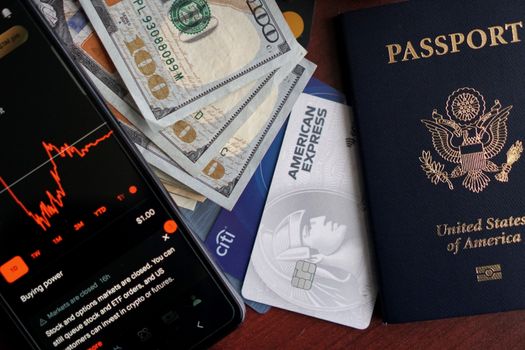
What are travel credit cards?
Travel credit cards are a category of cards that emphasise benefits for people who travel. That emphasis can take different forms. Some cards focus on rewarding everyday spending with points or air miles that can be redeemed for flights, hotels or travel vouchers. Others centre on travel protections, such as overseas travel insurance, purchase protection and access to airport lounges. A travel credit card may combine several of these attributes.
Common types of travel credit cards
Points and frequent flyer cards
These cards earn points or frequent flyer kilometres from spend. Points can typically be redeemed with airline partners, for flight upgrades, or for travel-related purchases. In New Zealand, frequent flyer programmes and points transfer partnerships are often a key consideration when comparing these cards.
Cash-back and flexible rewards cards
Some travel cards provide cash-back or flexible reward points that can be applied to travel purchases. These can suit travellers who prefer straightforward value rather than tying rewards to a single airline or hotel chain.
Premium travel cards with perks
Premium travel cards aim to deliver elevated travel experiences. They often include complementary airport lounge access, priority boarding, higher points earn rates and extensive travel insurance. Premium cards may carry higher annual fees reflecting the additional benefits available.
Key features to look for in a travel credit card
When evaluating travel credit cards, several core features will determine the overall value and suitability for particular travel habits.
Rewards programme structure
Understand how points are earned and redeemed. Important details include earn rates (points per dollar spent), bonus categories (such as travel, dining or supermarkets), and whether points expire. Some programmes may require points to be transferred to partner airlines or hotels for optimisation.
Annual fees and value calculation
Annual fees vary widely. Entry level travel cards may carry fees from around NZ$50, while premium cards can be several hundred dollars per year. To assess value, compare the cost of the annual fee with the estimated monetary benefit of rewards and perks. For example, lounge access, travel credits and included travel insurance can offset fees for frequent travellers.
Foreign transaction fees
A foreign transaction fee (sometimes called an international transaction fee) is charged on purchases made in a foreign currency. Fees commonly range from 1.5 percent to 3 percent of the foreign currency transaction amount. Cards marketed for travel may offer low or no foreign transaction fees, which can be particularly beneficial for overseas spending.
Travel insurance and protections
Many travel credit cards include some form of travel insurance when the card is used to pay for the trip. Typical coverage may include overseas medical expenses, trip cancellation or interruption, and lost or delayed baggage protection. Consumers should carefully review the policy wording to understand limits, exclusions and the requirement to use the card to pay for the trip to qualify for cover.
Airport lounge access and travel perks
Access to airport lounges can be a valuable benefit for frequent travellers; however, the extent of access varies. Some cards provide complimentary access to specific lounges or a set number of guest entries annually, while others offer memberships to global lounge networks for premium cards. Additional perks can include priority check-in, extra baggage allowance and concierge services.

Acceptance and global usefulness
Visa and Mastercard are widely accepted internationally. Cardholders may also consider whether the card offers contactless or mobile wallet compatibility for convenience when travelling. The availability of 24/7 customer support in case of lost or stolen cards is another practical consideration.
How to choose the right travel credit card in New Zealand
Choosing a travel credit card involves aligning card features with travel habits, financial circumstances and reward preferences. The following factors can help inform that choice.
Evaluate travel frequency and patterns
Frequent international travellers may place higher value on cards with low foreign transaction fees, comprehensive travel insurance and lounge access. Domestic travellers who mainly fly domestically may prioritise partnerships with local airlines or cards that offer domestic travel benefits.
Consider airline and hotel partnerships
For travellers targeting frequent flyer benefits, the existence of airline partnerships and the ease of points transfer are important. Cards that align with a traveller’s preferred airline alliance or frequent flyer programme can offer better redemptions and availability, especially during peak travel periods.
Match spend patterns to earn categories
Cards that provide bonus points in specific spending categories can be particularly rewarding when those categories match typical expenditure. For instance, people who spend more on travel bookings, dining or groceries should consider whether a card rewards those categories at a higher rate.
Factor in credit score and eligibility
Access to the most rewarding travel cards may depend on a consumer’s credit profile and income. Applicants may wish to check eligibility criteria and ensure credit history is in good order before applying, as multiple applications in a short period can affect credit records.
Maximising rewards for travel
Once a suitable travel credit card is selected, cardholders can adopt strategies to maximise the value from rewards and benefits while managing costs.
Consolidate travel spending where appropriate
Concentrating travel and related spend on a single rewards card can accelerate points accrual. However, it may be useful to balance this strategy against the need to manage available credit and avoid carrying a balance that attracts interest charges.
Take advantage of sign-up and welcome offers
Many rewards cards offer introductory points or bonus rewards for meeting a minimum spend within an initial period. Consumers may find such offers useful for an initial boost to rewards, but it is important to assess whether the ongoing annual fee and earning structure remain suitable after any introductory period ends.
Use card-linked travel benefits
Where cards include travel credits, lounge passes or companion vouchers, it can be worthwhile to track and use those benefits before they expire. Some benefits require activation or registration, so confirming terms and expiry dates is prudent.
Redeem strategically
Redemption value can vary widely depending on how points are used. Flights during peak periods or upgrades may offer higher practical value per point than gift cards or merchandise. Understanding the typical redemption rates and transfer partners can help cardholders maximise value.
Avoiding common pitfalls
Travel credit cards provide value for many travellers but can also lead to unintended costs if not used carefully.
Avoid carrying high interest balances
Rewards can be negated by interest charges if card balances are carried month to month. If interest is charged at typical credit card rates, it may outweigh the benefit of earned points. Paying statements in full where possible helps preserve the net value of rewards.
Be mindful of supplementary cardholders
Adding family members as supplementary cardholders can accelerate points accumulation but may also increase spending exposure and liability. Policies on supplementary card costs and who is responsible for charges should be understood before adding another cardholder.
Watch for point expiry and blackout dates
Reward points can expire or be subject to blackout dates and limited availability for premium redemptions. Regularly checking account statements and the rewards programme terms helps ensure points are used before they lapse.
Alternatives and complementary travel products
Travel credit cards are one option among several travel payment tools. Depending on travel needs, other products may complement or substitute for a travel card.
Prepaid travel cards and multi-currency cards
Prepaid and multi-currency cards allow consumers to load foreign currency at current rates and may help manage exchange rate risk. These products can be useful for travellers who want to lock in a rate or limit exposure to foreign transaction fees, but they do not typically offer rewards like credit cards.
Debit cards and bank travel accounts
For travellers who prefer to avoid credit, some bank accounts and debit cards have features tailored for international use, such as fee-free overseas withdrawals or no foreign currency conversion fees. These options may lack the protections and rewards of credit cards but can reduce direct fees.
Companion loyalty programmes
In many cases, combining a travel credit card with airline or hotel loyalty accounts produces the best results. Points earned on a card can complement loyalty status benefits obtained through frequent travel, unlocking upgrades and elite perks.
How to apply and what to prepare
Applying for a travel credit card typically involves providing proof of identity and income. Common steps include:
- Comparing card features and annual fees against travel patterns and expected usage
- Checking eligibility criteria listed by the issuer
- Gathering identification documents and proof of income
- Reviewing the card’s terms and conditions, including rewards rules and insurance policy wording
Organising documentation in advance can help the application process run smoothly. Consumers may also choose to review comparison tools to shortlist cards that fit their needs.
Where to compare travel credit cards
Comparison websites and issuer information pages can be useful starting points to understand product features and how they match individual needs. For a focused look at travel-related cards and rewards in New Zealand, online comparison resources may provide side-by-side summaries of benefits and links to issuer disclosure documents. For example, comparison pages covering travel credit cards, frequent flyer cards and overall rewards options can help narrow choices and highlight key differences across products.
Useful reading includes pages that focus on travel credit cards in New Zealand and on cards aligned with frequent flyer programmes and rewards. These resources can help identify which products may best match different travel priorities. For a general overview of travel credit card options, review detailed comparisons to understand how annual fees, foreign transaction policies and rewards structures compare across the market.
Final considerations
Travel credit cards can deliver meaningful value to New Zealand travellers when the chosen card aligns with travel frequency, airline preferences and spending patterns. Key considerations include assessing annual fees against tangible benefits, checking for foreign transaction fees, understanding insurance coverage and evaluating partners for point redemption.
Cardholders may wish to periodically review card value as travel habits change, switching cards or adjusting strategies to ensure rewards remain relevant. For those who prefer a structured way to compare current market offerings, comparison tools and travel-specific card listings are available to help identify cards that best fit particular travel goals.
For further information on travel-focused credit cards and reward programmes available in New Zealand, consider exploring travel card comparisons and guides that detail common features, partner programmes and general reward structures. Resources covering travel credit cards, frequent flyer aligned cards and how to maximise credit card rewards may provide useful context when researching options.
Helpful links:

