
Introduction to cashback credit cards
Cashback credit cards have become a popular rewards option for many consumers in New Zealand. These cards return a small percentage of eligible spending as cash rewards, which can be applied to statements, bank accounts, or credited as a balance. For people seeking straightforward value from everyday purchases, cashback can feel simpler than point programmes or airpoints. This article explains how cashback credit cards work, common structures and restrictions, costs and trade-offs, evaluation tips, and practical strategies for getting the most from a cashback product while avoiding common pitfalls.
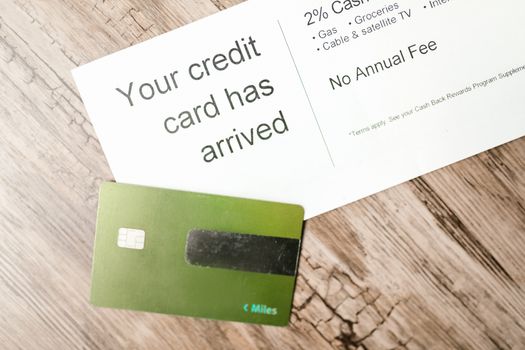
What are cashback credit cards?
Cashback credit cards provide a monetary reward based on a proportion of qualifying purchases. Instead of collecting points or frequent flyer kilometres, cardholders receive a percentage of their spending back in the form of cash or a credit. The simplicity of cashback makes it easy to understand the direct value of a card, but the effective benefit depends on the rate, eligible categories, any caps on rewards, and how interest and fees are managed.
Typical features
- Cashback rate: a percentage of eligible spend returned to the cardholder.
- Category rules: higher rates may apply to specific categories such as groceries, fuel, or online shopping.
- Caps and limits: monthly or annual maximums on cashback earned.
- Payout methods: statement credit, deposit to a nominated account, or credits against future balances.
- Eligibility and enrollment: some cards require registration for bonus categories or introductory offers.
How cashback is earned and paid out
Cashback is generally calculated on qualifying transactions after merchant fees and returns are accounted for. The main factors that influence how much cashback is earned include the rate, the categories eligible for cashback, and any minimum or maximum thresholds. Redemption mechanics differ by issuer; some providers post cashback monthly, others quarterly, and some only apply cashback as a statement credit at a fixed time each year.

Common payout methods
- Statement credit: Cashback reduces the outstanding balance on the next or a future statement.
- Bank deposit: Cashback is paid into a linked bank account periodically.
- Credit to card account: The reward may appear as a credit on the card account, offsetting charges.
- Conversion to other value: In some hybrid programmes, cashback may be converted into points or store credit.
Types of cashback structures
Cashback programmes can differ substantially from one product to another. Understanding the structure helps in assessing the likely returns and whether a card aligns with typical spending patterns.
Flat-rate cashback
Flat-rate cashback offers the same percentage on most or all purchases. This structure is simple to use because the effective rate does not vary by category. Flat-rate cards can be attractive for those who prefer predictability and do not want to track category bonuses or rotating offers.
Tiered or category-based cashback
Tiered cards pay different rates for selected categories. For example, groceries and fuel might earn a higher rate while other purchases attract a lower base rate. This can increase value for households with predictable category-heavy spending, but it requires awareness of which purchases qualify and whether registration is required for particular categories.
Rotating categories
Some cards feature rotating categories that change every quarter or month. These programmes often require enrolment to activate the bonus categories. The potential upside can be high for people who adapt their spending to the active categories, but rotating structures add complexity and require monitoring.
Caps, tiers and minimum spends
Many cards apply caps such as a monthly or annual limit on cashback or a higher rate only above a minimum spend threshold. Caps limit potential returns even if overall spending is high. Minimum spends are sometimes part of introductory offers and can be time-limited.
Costs and trade-offs
Cashback is not free value; potential returns must be weighed against interest charges, fees and behavioural risks. A high cashback rate can be nullified by carrying a balance that attracts interest. General costs and trade-offs include:
- Interest charges: Credit card interest rates can be high. Carrying a balance often outweighs cashback earnings.
- Annual fees: Some cards charge an annual fee that may exceed the likely cashback for low spenders.
- Excluded transactions: Cash advances, interest charges, fees and some merchant categories may not attract cashback.
- Reward caps: Monthly or annual maximums can reduce effective rates for higher spenders.
As an example of structure without naming specific products, a card with a 1 percent cashback rate and an annual fee of $100 would need at least $10,000 of qualifying spend per year to offset the fee, assuming no other costs. This illustrates why it is useful to model likely levels of spend before selecting a cashback product.
How to evaluate a cashback card
Evaluating a cashback card involves comparing potential rewards with expected costs and convenience. The following considerations are commonly useful when comparing options.
Calculate an effective cashback rate
An effective cashback rate reflects typical spending across categories, adjusted for caps and fees. A simple approach is to estimate annual spending in each category, apply the card’s rates and caps, then divide the total expected cashback by total spending to produce an effective percentage. This percentage provides a clearer comparison than headline rates alone.
Read terms and conditions
Terms set out exclusions, how returns and refunds affect cashback, the timing of payments, and other important rules. Common items to check include the merchant categories that qualify, whether online merchants are treated differently, whether registration is required for bonus categories, and how disputes are handled. Transparency in terms helps to avoid surprises.
Consider payment behaviour
Cardholders who regularly pay balances in full will generally benefit more from cashback rewards than those who carry balances. Interest can negate the value of cashback quickly. For those seeking finance features, interest-free periods or balance transfer options might be a higher priority than cashback rates.
Practical strategies to maximise cashback
Several practical strategies can improve the value obtained from cashback cards without increasing overall spending.
Match card to spending patterns
Select a card whose bonus categories align with typical household or personal spending. If the majority of spend is on groceries and fuel, a card that rewards those categories will offer higher effective returns than a card focused on online shopping or dining.
Monitor caps and promotional periods
Awareness of monthly or annual caps prevents disappointment when rewards stop accruing. Promotional offers may yield elevated cashback for a limited time; tracking those periods allows for concentrated use without overspending.
Use cashback for planned expenses
Using a cashback card for regular, planned expenses such as bills, groceries and petrol tends to produce genuine savings. Avoid using cashback as justification for discretionary overspending, since the marginal cost of extra purchases usually exceeds the reward.
Combine with merchant offers and discounts
Occasional promotions from merchants or card issuers can stack with cashback rewards. Examples include store sales, coupon codes, or limited-time merchant cashbacks. Combining discounts with card cashback increases the overall saving on an item or service.
Alternatives and complementary products
Cashback cards are one of several rewards formats. Other options include points-based rewards, airpoints or frequent flyer cards, and interest-free cards. Points or airpoints programmes can deliver greater value for travel or long-term rewards, while interest-free or low-interest products prioritise financing features over rewards. For an overview of different reward types and related products, resources focusing on broad credit card rewards and frequent-flyer options can be helpful. For example, general round-ups of top reward options and lists of frequent-flyer cards are available through specialist comparison resources and can assist with weighing alternatives against cashback offers.
Links for further reading include a dedicated explanation of cashback cards, summaries of broader reward programmes, and frequent-flyer credit card options: cashback credit cards, best credit card rewards, and frequent-flyer credit cards.
Regulatory and tax considerations in New Zealand
Regulatory oversight ensures that credit card products include disclosure about interest rates, fees and key features. Cashback rewards received on personal spending are typically treated as a rebate on purchases rather than assessable income, but different circumstances can apply for business use or if cashback is converted into other forms of value. Where tax or regulatory status is a concern, consultation with a tax adviser or financial professional is appropriate. Comparison websites and official issuer disclosures can provide the latest product details and regulatory information.
Frequently asked questions
Is cashback really worth it?
Cashback can be worth it for consumers who pay their balances in full and select a card that aligns with typical spending. The net benefit depends on the cashback rate, applicable caps, and any annual fees or incidental costs. When interest or fees are high relative to rewards, cashback value can be minimal or negative.
How does interest affect cashback?
Interest charges reduce or eliminate the net gain from cashback. For example, interest on carried balances may exceed the nominal cashback percentage earned on purchases, resulting in a net loss. Prioritising an interest-free payment strategy preserves the intended benefit of cashback programmes.
Are cashback rewards taxable?
For personal spending, cashback is generally considered a reduction in the cost of purchases and is not usually treated as taxable income in New Zealand. However, situations involving business expenses, reseller operations, or conversions of cashback into other benefits can have different tax implications. Professional tax advice is recommended for those who are unsure.
Can cashback be combined with other rewards?
Some cards and merchants allow stacking of merchant discounts, promotions and card cashback. The exact rules depend on merchant policies and the card issuer’s terms and conditions. Combining offers can increase overall value when done within the rules and without extra spending.
Summary and final considerations
Cashback credit cards provide a straightforward rewards option for many consumers in New Zealand. The simplicity of receiving a percentage of spending as cash is appealing, but card selection should be based on typical spending patterns, fee structures, interest rates and any caps that limit rewards. Effective evaluation involves calculating an expected effective cashback rate, reading the product terms carefully, and monitoring promotional periods or category changes.
For those prioritising travel or points-based rewards, alternative products may yield greater value. Conversely, for everyday savings and simple redemption, cashback cards remain a viable choice. For updated comparisons and more detail about available product types, specialist comparison websites and issuer disclosures can provide current information and help clarify how different rewards structures compare.

