
Introduction
Travel credit cards are a common financial tool for people who travel domestically and internationally. They can provide rewards, travel protections and convenience when paying overseas. This guide explains how travel credit cards typically work, what features to consider, benefits and risks, and practical factors for New Zealand travellers when choosing a card. The aim is to present neutral, factual information that may assist consumers in evaluating options and finding a card that aligns with their travel habits and financial priorities.
What is a travel credit card?
A travel credit card is a type of credit card marketed with benefits that specifically support travel. These benefits commonly include rewards points or frequent flyer points on eligible purchases, travel insurance components, airport lounge access and features that reduce the cost or friction of overseas spending. Travel credit cards are offered by banks, airlines and other financial institutions, and product features vary widely.
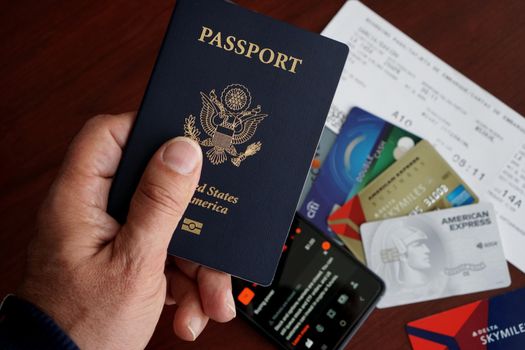
Typical features
- Rewards or points for everyday spending, often with higher earn rates on travel-related purchases
- Frequent flyer programme earn and transfer options
- Travel insurance covering issues such as medical emergencies, trip cancellation or lost luggage – coverage criteria and limits vary
- Airport lounge access for primary cardholder or accompanying guests on qualifying flights
- Contactless payments and chip plus PIN for global acceptance
- Foreign transaction fees or no foreign transaction fee options
How travel credit card rewards work
Rewards on travel credit cards are typically earned in the form of points or frequent flyer credits. Points can often be redeemed for flights, seat upgrades, accommodation, travel experiences or transferred to airline partners. The value of points varies by programme and redemption method. Some cards also offer earn rates that depend on the merchant category, with greater rewards for travel-related spending such as flights, hotels and car hire.
Sign-up offers and earning rates
Many travel cards include introductory offers to attract new customers. These offers may involve a points bonus after meeting a minimum spend within a set period. Issuers may also provide bonus points for specific travel categories. Consumers may want to assess the realistic ability to meet any minimum spend requirement, and to consider how the ongoing earn rate aligns with typical spending patterns.
Benefits of travel credit cards
Travel credit cards offer several potential advantages for those who travel regularly or occasionally. The following benefits are commonly cited.
Rewards and frequent flyer benefits
Accumulated points or frequent flyer credits can reduce the net cost of future travel or be applied to upgrades. For travellers loyal to a particular airline, cards that integrate with a frequent flyer programme may create a streamlined way to earn points from everyday spending.
Travel protections
Some travel credit cards include complementary travel insurance covering medical emergencies, trip cancellation, baggage delay and other contingencies. Insurance cover typically has qualifying conditions, such as paying for the trip with the card. Limitations and exclusions apply, and consumers may wish to review policy documents carefully before relying on cover.
Convenience and acceptance
Credit cards are widely accepted at airports, hotels and tourist venues. Features like contactless payments and global network partnerships enable faster transactions overseas than handling cash in many situations. Cards that waive foreign transaction fees can further simplify overseas spending.
Potential drawbacks and risks
While travel credit cards can be useful, there are trade-offs and risks to consider.
Interest and fees
If the card balance is not paid in full, interest charges can quickly outweigh any rewards gained. Many travel cards charge an annual fee, and fee levels vary from no-fee options to cards with higher annual costs that include additional benefits. Foreign transaction fees may apply on purchases made in other currencies unless the card explicitly waives them.
Complex reward structures
Rewards programmes can be complex. Point values differ between redemption methods and transfer partners. Some redemptions require availability that may be limited, such as reward seats on popular routes. Points may also expire if accounts are inactive for a certain period.
Insurance exclusions and conditions
Insurers often set conditions for travel insurance provided through cards. Common exclusions can include pre-existing medical conditions, travel to certain destinations, or activities considered high risk. Coverage amounts and excesses vary. Relying solely on card-provided insurance without checking terms may lead to unexpected shortfalls.
Key considerations when choosing a travel credit card
Selecting a travel credit card often depends on travel frequency, preferred airlines or alliances, and spending patterns. The following factors are commonly used to compare options.
Travel habits and destinations
Consumers who travel mainly within New Zealand or to Australia and the Pacific may prioritise different features than those who take regular long-haul flights. For example, lounge access and extensive travel insurance can be more valuable to long-haul travellers. Those who fly with a particular airline may benefit from cards aligned with that airline’s frequent flyer programme.
Rewards flexibility and redemption options
Cards that allow points transfer to multiple airline partners or flexible redemptions across airlines and hotels tend to offer more versatility. Consumers may wish to compare where points can be spent and whether there are blackout dates or minimum redemption thresholds.
Fees and interest
Annual fees and interest rates merit careful review. Annual fees can range from no fee to several hundred dollars for premium cards that also include extra travel perks. Interest rates apply if balances are carried between billing cycles. Comparing the net benefit of rewards after fees and any anticipated interest is a practical step.
Foreign transaction fees and currency conversion
Foreign transaction fees are typically a percentage of each overseas purchase and can add to travel costs. Cards that waive these fees can be advantageous for frequent international spending. Consumers may also see dynamic currency conversion offers at merchants abroad; this is often less favourable than paying in the local currency and letting the card issuer handle conversion.
Eligibility and credit score
Card approval generally depends on credit history and income. Premium travel cards may require a stronger credit profile. Applicants may wish to check eligibility criteria and consider pre-qualification tools where available to reduce the chance of an application affecting a credit file.
How to make the most of a travel credit card
Cardholders may consider several approaches to maximise benefits while minimising costs.
Match the card to spending patterns
Choosing a card that rewards typical spending categories can increase point accrual. For example, if most travel spending goes on flights and accommodation, a card that offers bonus points for those categories may be more beneficial than a general rewards card.
Understand rewards value and redemption rules
Comparing the effective value of points across common redemptions can reveal more favourable uses of rewards. Consumers may want to calculate the implied cash value of points and compare it against the annual fee to assess net benefit.
Use included travel protections appropriately
When travel insurance or purchase protections are included, keeping documentation such as booking receipts and following the insurer’s claims process can support any future claim. It is important to review policy terms so that expectations about coverage align with reality.
Specialist travel card features to consider
Beyond standard rewards and insurance, several additional features can influence the appeal of a travel card.
Airport lounge access

Some cards include access to specific lounge networks or provide access passes. For business travellers and those with long layovers, lounge access can offer value in terms of comfort, food and workspace. The number of included visits, guest policy and eligible lounges should be examined.
Companion or upgrade benefits
Companion fares, free upgrades or priority boarding are sometimes offered as cardholder benefits. These features can enhance travel experiences but are often tied to specific booking conditions or seat availability.
Concierge and travel assistance services
Premium cards may include concierge services that can assist with travel bookings, restaurant reservations and event access. The practical value of these services depends on the traveller’s needs and how often such assistance is used.
How to compare travel credit cards in New Zealand
Comparing travel credit cards involves assessing how well a product aligns with individual travel needs and financial preferences. Comparison tools can help identify cards with relevant features. For general comparisons of travel cards and reward programmes in the New Zealand market, consider visiting reputable comparison resources and the card issuer’s product disclosure statements to verify current features and terms.
For an overview of travel-focused options in the New Zealand market, comparison resources may be a useful starting point: for example, a travel credit card category page that summarises features and typical uses. For frequent flyer specific options, a dedicated frequent flyer cards page can highlight cards that integrate with airline programmes. A general credit card comparison hub can assist in filtering by features like no foreign transaction fee and included travel insurance.
Relevant resources include comparison sites that list travel credit cards and frequent flyer options in New Zealand, where detailed product pages and disclosure documents are available for review.
Responsible card use and credit wellbeing
Using a travel credit card responsibly can help preserve credit health while still allowing access to rewards and travel protections. Carrying a balance and incurring interest can negate the financial benefit of rewards. Late payments may result in fees and may affect a credit report. Consumers are generally advised to consider how a card fits within broader financial plans and to maintain awareness of account statements and billing cycles.
Frequently asked questions about travel credit cards
Are travel credit cards worth it?
Whether a travel card is worth the cost depends on travel frequency, how rewards are earned and redeemed, and the card’s fees relative to benefits. Cards with higher annual fees may deliver net benefit for frequent travellers who use included protections and premium services. For infrequent travellers, a no-fee or low-fee option with flexible rewards may be more appropriate.
Do travel cards include travel insurance automatically?
Some travel cards include travel insurance as part of the card package, but coverage is not universal and the scope of cover varies. There may be eligibility rules such as having to pay for travel with the card, limits on cover amounts and specific exclusions. Reading the insurance policy document is important to understand what is and is not covered.
How do foreign transaction fees affect travel spending?
Foreign transaction fees add a percentage cost to purchases made in a foreign currency. Over a trip with multiple purchases, these fees can accumulate. Cards that waive foreign transaction fees can reduce this additional expense and may provide a cost advantage for travellers who spend abroad often.
Summary
Travel credit cards can offer rewards, travel protections and conveniences that benefit many kinds of travellers. Choosing the right card involves matching features to travel habits, understanding rewards and insurance terms, and considering fees and interest implications. Comparing card features through reputable comparison resources and carefully reading product disclosure statements can help consumers make an informed choice that aligns with their travel needs and financial circumstances.
For further information on travel credit card offerings and frequent flyer options in New Zealand, consider browsing general comparison resources and specialist sections on frequent flyer cards and travel credit cards. Example resources include comprehensive comparison pages and frequent flyer card lists maintained by comparison services that focus on the New Zealand market.
Helpful links:

