
Planning travel from New Zealand often brings questions about how to pay smarter, protect purchases and make the most of rewards. Travel credit cards can offer benefits such as frequent flyer points, travel insurance, lounge access and reduced foreign transaction costs. Choosing the right card depends on travel patterns, reward preferences and willingness to pay annual fees. This guide explains the core features of travel credit cards available to New Zealand travellers, outlines key differences between card types and provides practical suggestions for making the most of card benefits while managing costs.
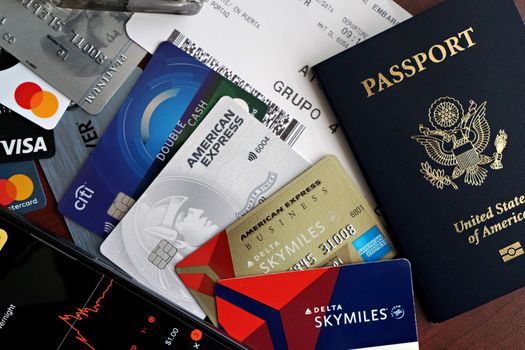
What is a travel credit card?
A travel credit card is a type of card designed to reward or support travel-related spending. Common features include points or miles for spending, complimentary travel insurance or insurance benefits, airport lounge access and perks such as extra baggage allowance or priority boarding with partner airlines. Some travel cards focus on frequent flyer points while others offer general points that can be redeemed for flights, hotels or statement credits.
Key features to look for
Different travel credit cards prioritise different features. The most relevant features for a New Zealand traveller typically include rewards value, travel insurance, foreign transaction fees and travel-specific perks. Each of these is explained below.
Rewards and frequent flyer points
Rewards come in several formats: airline frequent flyer points, general points that transfer to partners, or cash back. Frequent flyer cards link directly to an airline loyalty scheme and earn points that can be used for award flights or upgrades. General points cards allow flexibility, as points may be redeemed for flights, hotels, gift cards or statement credits.
When evaluating rewards, consider how easily points can be redeemed, typical redemption rates and whether points expire. Rewards value can vary widely, so understanding the redemption options and partner networks is important.
Travel insurance benefits
Many travel cards include complimentary travel insurance such as overseas medical cover, trip cancellation, lost luggage or rental car excess protection. The level of cover varies. Insured amounts, exclusions and eligibility conditions should be confirmed by reviewing the insurer s product disclosure statement or policy document before relying on benefits.
Insurance provided through a credit card may require full or partial use of the card to pay for travel arrangements. It may also be conditional on cardholder residency or the length of travel. Travellers who prefer certainty may choose standalone travel insurance or check the card s policy terms carefully.
Foreign transaction fees and international acceptance
Foreign transaction fees, sometimes called foreign currency conversion fees, are typically charged as a percentage of overseas purchases. Cards that waive these fees can reduce the cost of spending in other currencies. Card acceptance is also a consideration; Visa and Mastercard are widely accepted globally, while American Express acceptance can be more limited in some countries.
Where possible, choosing a card with low or zero foreign transaction fees can lead to noticeable savings on longer trips. It is also useful to check whether contactless payments and mobile wallets are supported for convenience and security.
Airport lounge access and priority services

Higher-tier travel cards or cards with higher annual fees may include complimentary or discounted airport lounge access, priority boarding or additional baggage allowances when travelling with partner airlines. These perks can improve the travel experience but are usually most valuable to frequent travellers.
Annual fees and effective cost
Annual fees vary and can be considered an investment in perks and rewards. The effective cost of a card is the annual fee minus the estimated value of benefits and rewards. For infrequent travellers, a low-fee or no-fee card may make more sense. Frequent travellers who use included perks often find higher fee cards provide net value.
Types of travel credit cards
Travel cards can be categorised by reward type and benefit focus. Understanding the broad categories helps match a card to travel preferences.
Frequent flyer credit cards
These cards earn points directly in an airline loyalty programme. They commonly include benefits such as bonus points for sign-up, accelerated earning on airline purchases and sometimes priority services. Frequent flyer cards suit travellers who consistently fly with a specific airline or its partners.
General rewards cards
General rewards cards earn points that can be transferred to multiple partners or redeemed for a range of travel and non-travel options. Flexibility is the main advantage. These cards work well for travellers who value choice across airlines and hotels.
Cash back and low-fee travel cards
Cash back cards provide a percentage of spending returned as cash or statement credits. While not travel-specific, they allow travellers to effectively reduce travel costs. Cards with low or no annual fees are appealing for occasional travellers who want some benefit without a recurring cost.
Cards with no foreign transaction fees
Designed for international shoppers, these cards waive the foreign transaction fee and can reduce the cost of overseas spending. They are particularly useful for regular international travellers or those who make frequent purchases from overseas merchants.
How to choose the right travel credit card in New Zealand
Selecting a travel credit card involves balancing rewards potential, fees and the practicalities of travel. The following factors guide a reasoned choice.
Assess travel frequency and patterns
Frequent domestic flyers may prefer cards linked to local airline programmes, while long-haul or multi-destination travellers might value flexible points that transfer to international partners. Consider whether most travel is domestic, trans-Tasman or intercontinental, and which airlines are commonly used.
Understand the reward structure
Some cards offer higher points for travel-related spend, while others reward everyday purchases. Compare how points are earned across categories relevant to typical spending. Also evaluate redemption ease, blackout date policies and any minimum points required for redemptions.
Consider eligibility and credit score requirements
Cards aimed at premium travellers typically require higher credit scores and income. Those seeking a new card should review eligibility criteria before applying and consider whether a more basic card or a secured product may be appropriate if credit history is limited.
Evaluate the net value
Estimate the annual value of expected rewards and benefits and subtract the annual fee. This net value is a practical way to compare cards. For some travellers, the convenience of included insurance or lounge access may justify a higher fee.
Using travel credit cards wisely
Responsible use of travel credit cards maximises benefits while avoiding unnecessary costs. The following practices are commonly suggested for cardholders.
Plan redemptions strategically
Rewards are most valuable when redeemed for high-value items such as long-haul flights or premium cabin upgrades, however individual preferences vary. Tracking points balances and understanding partner award charts or redemption rates will help in planning redemptions.
Pay off balances and avoid interest charges
Carrying a balance on a rewards card can reduce or eliminate the value of earned rewards due to interest charges. Paying the balance in full each statement period preserves reward value and maintains good credit standing.
Be cautious with dynamic currency conversion
Some merchants offer to charge in New Zealand dollars for overseas transactions, a service called dynamic currency conversion. This option often includes unfavourable exchange rates and additional fees. Selecting to pay in the local currency is generally more cost effective, subject to the card s foreign transaction fee.
Keep documents for insurance claims
When relying on card-provided travel insurance, keep receipts, booking confirmations and any required pre-trip documentation. Claim processes often require proof of travel and purchase transactions charged to the card.
Additional considerations for New Zealand travellers
There are some New Zealand-specific points that can influence choice and use of a travel credit card.
Domestic loyalty programmes and Airpoints
Domestic loyalty programmes, especially those linked to major New Zealand carriers, can offer good value for frequent domestic travellers. Cards that earn Airpoints or other local loyalty points may be attractive when domestic travel forms a large share of annual travel. Information about Airpoints-linked cards and frequent flyer options can help travellers compare programme features and earning rates.
Travel to Australia and the Pacific
Trans-Tasman and Pacific routes are common for New Zealand travellers. Acceptance of card networks in smaller Pacific islands is variable, so carrying a backup payment method or local currency for remote destinations can be prudent.
Contactless payments and mobile wallets
Contactless payments and mobile wallet compatibility improve convenience at many international and domestic retailers. Ensuring the chosen card supports these formats reduces friction when scanning at terminals and can improve security through tokenisation features.
Common misconceptions
Some myths about travel credit cards can lead to unrealistic expectations. Clarifying these points can support better decision making.
Points are always worth the advertised value
The value of points varies by redemption option. Some redemptions represent better value per point than others. Comparing typical redemption examples helps set realistic expectations of what can be achieved with earned points.
No annual fee means it is always better
No-fee cards remove the annual cost but may offer lower earning rates, fewer perks and limited travel insurance. For occasional travellers, a no-fee card can be appropriate, while frequent travellers may extract greater net value from a card with a fee and richer benefits.
All travel insurance is the same
Insurance inclusions, coverage limits and exclusions differ significantly between cards. Card-provided insurance may not cover every situation or type of traveller. Reviewing policy documents or seeking separate travel insurance for specific activities may be necessary.
Practical comparison steps
When ready to compare options, a structured approach reduces confusion and helps identify the best fit.
- List common travel destinations and frequency to determine useful benefits.
- Decide whether loyalty to a single airline is desirable or whether flexibility is preferred.
- Estimate annual spending in key categories to model expected points accrual.
- Compare insurance inclusions, foreign transaction fees and lounge access options.
- Calculate net cost by offsetting estimated benefits against annual fees.
Online comparison tools can speed this process. For a New Zealand-focused comparison of travel cards and rewards, comparison sites provide filters for key features and programme links that are tailored to local travellers.
Final checklist before applying
- Confirm eligibility requirements and any income or residency conditions.
- Read the card s product disclosure statement to understand insurance and fee details.
- Check how rewards are earned and redeemed, and whether points expire.
- Consider how frequently the card s perks will be used, such as lounge visits or travel insurance claims.
- Ensure adequate credit management practices to avoid interest charges and fees.
Comparing cards with a clear view of travel habits and priorities supports better outcomes. For further reading on travel credit card options in New Zealand, including frequent flyer and reward-focused cards, online resources that aggregate local card features can be consulted. Examples of informative comparison pages include a general travel credit cards overview, details on frequent flyer card options and guides to reward-focused cards.
Travel credit cards can be powerful tools for reducing travel costs and enhancing the travel experience when chosen and used carefully. Evaluating the net value of rewards, understanding insurance coverage and managing card balances are key elements of effective use. Travellers who align a card s strengths with their own travel needs are more likely to find meaningful value.
Helpful links for further exploration:
Note: Card features, reward rates and insurance terms change from time to time. Reviewing the issuer s current product information and the terms and conditions before applying is recommended.

