
Travelling can be one of the most rewarding experiences, and the right travel credit card can make journeys smoother, more rewarding and more affordable. This guide explains how travel credit cards generally work, which features matter for different types of travellers, common costs to watch for and practical tips for using cards while overseas. The aim is to provide clear, up-to-date information for New Zealand consumers considering a travel-focused credit card.
What is a travel credit card?
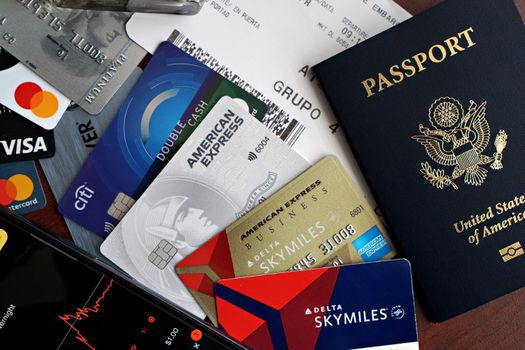
A travel credit card is a type of credit card marketed towards people who fly or travel frequently. These cards typically emphasise travel-related rewards such as frequent flyer points, airpoints, complimentary travel insurance, airport lounge access and discounts with travel partners. While the name suggests travel-only uses, cards can usually be used for everyday purchases as well.
Common features
- Rewards or points earning on eligible purchases, often higher in specific categories like flights or accommodation
- Sign-up or welcome bonuses (subject to eligibility and terms)
- Complimentary travel insurance while the card is used to pay for travel bookings (terms apply)
- Airport lounge access either included or available as a paid add-on
- No or low foreign transaction fees on some cards, though many charge a small percentage
- Benefits tied to frequent flyer programmes, such as airpoints and partner airlines
Why people choose travel credit cards
Travel credit cards can offer value beyond ordinary credit cards if the cardholder uses the travel benefits regularly. For many travellers the appeal includes earning points toward free flights, gaining access to lounges, and having insurance coverage bundled with purchases. Even occasional travellers can find benefit if they select a card whose reward structure aligns with how they spend.
Who can benefit most?
- Frequent flyers who earn points quickly through regular spending
- People who spend often in travel-related categories such as accommodation and transport
- Those who want added travel protections like travel insurance and purchase coverage
- Consumers who can manage card balances responsibly and avoid paying interest that would negate rewards value
Key features to compare
When evaluating travel credit cards, consider the following aspects. Note that exact features and eligibility criteria vary by provider and may change over time.
Rewards programme and earning rates
Look at how rewards are earned. Some cards give points per dollar spent, while others offer bonus points in specific categories. It is useful to estimate typical annual spending and calculate how many points would be accrued. Also check how points are redeemed and whether transfer options to frequent flyer programmes are available.
Annual fee
Many travel cards charge an annual fee in exchange for enhanced benefits. Fees can vary from low to premium. The value of the benefits should be weighed against the fee, remembering that some cardholders recoup the cost through points, travel credits or included services.
Foreign transaction fees
Foreign transaction fees are charged on purchases made outside New Zealand or in foreign currencies. Some travel cards waive these fees, which can save money on overseas spending. Others charge a percentage of each foreign purchase, which can add up over a trip.
Travel insurance and protections
Many travel cards offer travel insurance policies that cover medical expenses, travel delay, lost luggage and other risks when trips are paid for with the card. It is important to read the policy wording carefully, as coverage often depends on meeting specific conditions such as paying for the travel with the card or activating the insurance before travel.
Airport lounge access and partner benefits
Cards that include lounge access or offer discounted lounge passes can enhance the travel experience. Other partner benefits may include priority boarding, companion fares or special rates with hotel and car rental partners. Evaluate whether such benefits match usual travel behaviour.

Costs and fees to watch
Even travel-focused cards can come with costs that reduce their value. Consumers should be aware of typical fees and how each could affect the overall benefit of a card.
Interest and carrying a balance
Credit card interest rates apply if the monthly balance is not paid in full. Interest can quickly outweigh rewards. Travel card rewards generally assume that balances are cleared each month. For those who occasionally carry a balance, cards offering interest-free periods or lower rates may be more relevant.
Cash advances and balance transfers
Cash advances and some balance transfers often incur immediate fees and higher interest rates. These transactions are usually excluded from rewards and can be expensive. It is advisable to check the provider’s terms before using these features.
Late payment and overlimit fees
Late payments can attract fees and interest charges, which harms credit history and reduces the net benefit of rewards. Staying within limits and paying on time helps protect both credit standing and rewards value.
How to choose the right travel card
Choosing a card is a matter of matching card features to travel patterns, financial habits and preferences. Consider the following practical steps when comparing options.
Step 1: Identify travel goals
Define what matters most. Is the priority to earn frequent flyer points, access lounges, or get comprehensive travel insurance? Clear goals make it easier to select a card that delivers the most useful benefits.
Step 2: Estimate realistic earning potential
Calculate expected annual spending on categories that earn bonus points and estimate how many points would be earned. Consider whether points are easy to redeem and whether redemption options align with travel plans.
Step 3: Compare fees against benefits
Compare annual fees, foreign transaction fees and other charges against the estimated value of rewards and benefits. For some travellers, paying a higher fee can make sense if the card delivers regular tangible benefits. For others, a simpler no-annual-fee card might be more suitable.
Step 4: Check insurance terms
Review the travel insurance inclusions and exclusions carefully. Insurance may require that travel purchases are made on the card or that certain conditions are met. Look for limits, excesses and any activities that are excluded from coverage.
Using travel credit cards effectively
To get the most from a travel credit card, certain habits and strategies generally help. These practices can improve the value derived from rewards while keeping costs under control.
Pay off the balance each month
Paying the statement balance on time avoids interest charges and helps preserve the net benefit of any rewards earned. Interest costs can quickly negate the value of points.
Consolidate travel spending
Using a chosen card for travel bookings and related purchases helps concentrate spend and accelerate points accrual. However, ensure that purchases are eligible under the card’s rewards programme.
Be mindful of foreign transaction settings
Some merchants or ATM providers offer to convert a foreign purchase into New Zealand dollars at the point of sale. Choosing to pay in the local currency usually avoids dynamic currency conversion fees which can be higher than card issuer foreign transaction charges.
Monitor points expiry and redemption rules
Points and rewards can expire or be subject to blackout dates, seat availability or minimum redemption thresholds. Regularly check balances and the programme rules to avoid losing earned value.
Safety, fraud protection and practical travel tips
Cards offer protections and there are common-sense practices that reduce fraud risk and help during travel.
Register cards with your bank before travel
Notifying the bank of travel plans can reduce the chance of overseas transactions being blocked. Many banks also offer alerts for suspicious activity which can be enabled in online banking apps.
Keep contact details and emergency numbers handy
Make a note of the credit provider’s emergency contact numbers and online channels for reporting lost or stolen cards. Storing this information securely can expedite replacements while travelling.
Use contactless and mobile payments where possible
Contactless and mobile wallet payments can be convenient and secure. These methods often add an extra layer of security since they use tokenisation and do not expose the full card number.
Alternatives and complementary options
Travel credit cards are not the only tool for managing travel finances. Depending on needs, some consumers prefer or supplement with other products.
Travel debit cards and prepaid travel cards
Prepaid travel cards can help with budgeting and lock in an exchange rate before travel. They may not offer rewards but can limit exposure to overspending. Travel-focused debit cards may have lower fees for foreign transactions than standard debit cards.
Frequent flyer programme membership
Joining airline loyalty programmes separately from credit cards can still deliver value. Points can be earned via flights, partner retailers and transfers from other reward schemes. For guidance on linking credit card rewards to frequent flyer options, consumers may find comparison resources useful.
Where to compare travel credit cards
Comparison websites and the credit card pages of reputable financial institutions can help by laying out features side-by-side. When researching, look for updated comparisons that focus on travel benefits, insurance terms and foreign transaction policies.
For an overview of travel credit cards available in New Zealand and details on rewards and travel features, a dedicated comparison resource can be a helpful starting point. See a travel cards overview and rewards comparison to begin exploring options.
Frequently asked questions
Do travel credit cards always include travel insurance?
Not all travel cards include insurance and coverage varies widely. Where insurance is included it usually comes with conditions such as paying for the trip with the card. Always read the policy wording to understand what is and is not covered.
Are travel rewards worth the annual fee?
The value depends on personal travel frequency and spending patterns. An annual fee can be justified if the combined value of rewards and benefits exceeds the fee, but this requires realistic calculations of likely rewards and how often benefits will be used.
Can points be transferred to airline partners?
Many reward programmes allow transfers to airline frequent flyer programmes, but transfer ratios and eligible partners vary. Check whether transfers are permitted and whether there are transfer fees or minimums.
Final considerations
Travel credit cards can add convenience and value for many travellers, but the net benefit depends on individual circumstances. It is important to assess rewards potential, fees, insurance coverage and the likelihood of using premium benefits. Responsible card use, including paying balances on time and understanding terms, will protect credit health and preserve the value of any earned rewards.
For a focused comparison of travel-related cards and reward options in the New Zealand market, comparison tools that list travel card features and reward details can assist with shortlisting suitable cards. Further reading on rewards and frequent flyer credit card options is available through specialist comparison pages.
Useful resources: travel credit cards in New Zealand, credit card rewards overview and frequent flyer credit cards for programme-linked options.

