
Travel credit cards can transform the way people pay for flights, accommodation and daily expenses while travelling. For New Zealand travellers, the right card can provide rewards points, travel protections and perks that help reduce overall travel costs. This article explains the main features of travel credit cards, highlights factors to compare and outlines common pitfalls to avoid. The information is general in nature and aims to support informed decision making.
What is a travel credit card?
A travel credit card is a type of card that emphasises travel-related rewards and benefits rather than pure cash back or low interest. Typical travel credit cards offer frequent flyer points, airline or hotel loyalty bonuses, complimentary travel insurance, airport lounge access and other travel-friendly features. These cards are widely available in New Zealand, issued by local banks and global card networks.
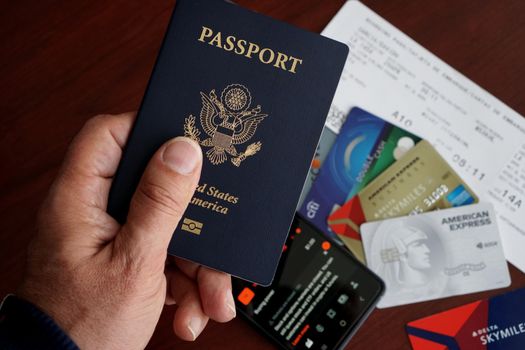
Key travel card features explained
Rewards and points
Many travel credit cards earn reward points or frequent flyer kilometres for everyday spending. Points can typically be redeemed for flights, seat upgrades, accommodation, rental cars or travel-related merchandise. Earning rates and redemption options vary. Consumers may want to consider how easy it is to convert points into meaningful travel value and whether transfer partners or airline alliances are supported.
Frequent flyer benefits
Certain travel cards are linked to frequent flyer programmes. These cards sometimes provide bonus sign-up points, accelerated earning on airline purchases and status credits that count towards loyalty tiers. When comparing cards, attention to programme rules and blackout dates is useful, since those rules affect the ability to redeem rewards for preferred flights.
Travel insurance and protections
Some travel credit cards include complimentary travel insurance that covers events such as trip cancellation, overseas medical emergencies and lost luggage, subject to terms and conditions. Insurance inclusions and exclusions vary between issuers, and there are usually eligibility requirements, such as full or part payment of travel with the card. It is advisable to review policy details before relying on cover.
Airport lounge access and priority services
Higher tier travel cards may offer complimentary or discounted lounge access, priority boarding or fast-track security. These perks aim to enhance the travel experience, but they are often tied to an annual fee. Consumers may wish to weigh the fee against the expected usage to determine value.

Foreign transaction fees
Foreign transaction fees are charged when purchases are made in a foreign currency or processed overseas. Some travel cards waive these fees, which can be advantageous for people spending abroad. The presence or absence of such fees affects the effective cost of international spending and should be a consideration.
Interest rates and interest-free periods
Travel-focused cards are still credit cards and carry interest on revolving balances. Interest rates and interest-free periods on purchases vary by card. Paying balances in full each month generally avoids interest charges, while carrying a balance can negate rewards value. Interest-free features can be important for short-term financing, but the interest rate that applies after any promotional period should be considered.
How to compare travel credit cards
Comparison is most useful when based on personalised travel habits and spending patterns. A structured approach helps identify which card benefits are most relevant.
Estimate the value of rewards
Comparing reward programmes means looking at the rate at which points are earned and how those points convert into flights or upgrades. General guidance suggests modelling expected annual spend and calculating probable points accumulation, then comparing potential redemption values. This method supports an assessment of whether the rewards justify any annual fee.
Balance annual fee against benefits
Annual fees for travel credit cards can vary widely – from no fee up to several hundred dollars or more. When assessing value, consumers often compare the annual fee to tangible benefits such as lounge passes, companion flight offers and included insurance. It may help to estimate how often a benefit will be used during the year and to place a monetary value on those uses.
Review travel insurance terms
Insurance inclusions deserve close attention. Differences exist in coverage limits, age restrictions, pre-existing condition exclusions and whether the insurance applies to family members or only the primary cardholder. Confirmation of eligibility criteria and how claims are made is useful prior to relying on policy benefits.
Check foreign transaction and ATM fees
For travel spending and cash withdrawals overseas, assessment of foreign transaction fees and ATM charges is relevant. Cards that waive foreign transaction fees may be more economical for frequent overseas spend, but ATM withdrawals with credit cards often incur cash advance fees or higher interest rates. Consumers may want to model typical overseas spending patterns to estimate these costs.
Consider redemption flexibility
Some reward programmes impose blackout dates, limited seat availability or complex transfer rules. A flexible programme with a wide range of redemption options – including partner airlines and hotels – tends to offer better practical value. Consumers may wish to review partner lists and transfer ratios before selecting a card.
Assess additional perks and customer service
Additional features such as concierge services, companion tickets, travel credits and purchase protection can add value. The quality of issuer customer service and the ease of redeeming rewards are non-financial factors that often influence satisfaction. Looking at user reviews and independent comparisons can be informative.
Common pitfalls and limitations
Points devaluation and programme changes
Reward programmes can change their earning rates, redemption values or partner arrangements. Points that seemed attractive when earned may be worth less in the future. This uncertainty is a common downside of reward currencies and should be factored into expectations.
High fees without commensurate use
Cards with high annual fees may deliver little value if benefits are not used regularly. It is common for cardholders to overestimate usage of lounges, insurance or travel credits. A realistic appraisal of likely benefit use helps prevent paying for features that do not provide net value.
Interest charges on carried balances
Carrying a balance can quickly negate rewards and perks, because interest charges may exceed the monetary value of points earned. This is an important consideration for consumers who might not pay the full card balance each month.
Restricted redemptions and blackout dates
Redemptions for popular flights or peak travel periods may be limited. Blackout dates or capacity controls can make it harder to use points when demand is highest. Understanding redemption rules can set realistic expectations for how often rewards will be usable.
How people commonly use travel credit cards
Typical ways travel cards are used include:
- Collecting points on everyday spending to accumulate enough for a flight or upgrade.
- Paying for travel bookings to access included insurance and purchase protections.
- Using cards that waive foreign transaction fees to reduce the cost of overseas spending.
- Taking advantage of perks such as lounge access or priority boarding for long international trips.
Who benefits most from a travel credit card?
Travel credit cards are often most valuable for certain groups:
- Frequent travellers – people who fly often can earn and redeem points quickly and may make better use of premium perks.
- Programme loyalists – consumers who concentrate spending with a specific airline or hotel chain can accelerate earning of loyalty status and rewards.
- Occasional travellers who take advantage of sign-up bonuses – initial bonus points can sometimes cover a free flight or significant discount after meeting a minimum spend requirement.
- People seeking travel protections – travellers who prefer insurance bundled with payment may find cards with inclusive cover attractive, subject to policy terms.
A practical comparison approach
A straightforward method for comparing travel credit cards involves three steps:
- Identify travel goals – frequent international flights, domestic travel, hotel stays or upgrades.
- Estimate annual spend to calculate likely reward accrual and to compare against annual fees.
- Review reward programme partners, insurance inclusions and foreign transaction fee policies to match card benefits with travel patterns.
Third party comparison tools and guides can help with this process. For example, readers may find general comparisons of travel credit cards and reward programmes on specialist comparison sites.
For readers wanting to explore options further, resources are available that explain differences between airpoints-linked cards, cash-back travel alternatives and the best reward programmes in New Zealand. An overview of travel-specific card features can be found on comparison pages that cover travel credit cards and frequent flyer credit cards.
Frequently asked questions
Are travel credit cards worth it?
Whether a travel card is worth it depends on travel frequency, spending habits and the likelihood of using included benefits. For some consumers, the rewards and perks offset the annual fee. For others, a no-fee card or a general rewards card may be a better fit. Running hypothetical scenarios of expected spending and benefit use can clarify potential value.
Do travel credit cards include travel insurance?
Some travel credit cards include complimentary travel insurance when travel is paid for with the card, but coverage varies. Insurance may include trip cancellation, medical expenses and luggage protection, with limitations and exclusions. It is important to read policy documentation and verify eligibility conditions before assuming cover applies.
What about foreign transaction fees?
Foreign transaction fees apply to purchases made in non-New Zealand currencies or processed overseas. A travel-oriented card that waives these fees can reduce the cost of spending abroad. Consumers may want to check whether a potential card charges a fee per transaction or offers a waiver for certain spending types.
How to protect rewards and minimise risks?
To protect rewards value, monitoring programme changes and redeeming points in a timely manner can help. For card security, standard protections such as reporting lost or stolen cards promptly and using secure payment channels are commonly recommended by issuers. Checking issuer guidance on dispute resolution and fraud protection is useful prior to travel.
Next steps for decision making
Consumers considering a travel credit card can benefit from gathering personalised information: estimating annual spend, identifying preferred airlines or hotel partners and listing the card features likely to be used most. Independent comparison resources and issuer product pages provide up-to-date details on features and terms. For a structured overview of travel card options and reward programmes in New Zealand, readers may find dedicated comparison pages helpful.
Further reading: explore travel credit card overviews and reward comparisons to match travel preferences with card features. For information on airpoints-linked cards or the best credit card rewards in New Zealand, comparison guides can be useful starting points.
Relevant resources:
Choosing a travel credit card is a balance between costs and benefits. A careful comparison tailored to travel needs and spending patterns can help identify a suitable option. The travel experience can be enhanced by an appropriate card, but realistic expectations and regular review of reward programme changes are important.

