
Introduction
Travel credit cards are popular among New Zealand travellers who want to make the most of spending, earn rewards and access travel-related benefits. While credit cards will not replace careful travel planning, the right travel card may help offset travel costs, provide useful protections and make rewards easier to redeem. This article explains the main types of travel credit cards available in New Zealand, the benefits and limitations typically offered, how to compare features, and practical tips for using a travel credit card responsibly.
What is a travel credit card?
A travel credit card is any credit card that provides features designed to benefit people who travel. These features commonly include rewards earned on purchases, access to frequent flyer points or airline programmes, travel insurance and travel-related perks such as airport lounge access or complimentary cardholder services. Travel cards are a category rather than a single product type, and available features vary by card issuer and reward programme.
Common types of travel credit cards
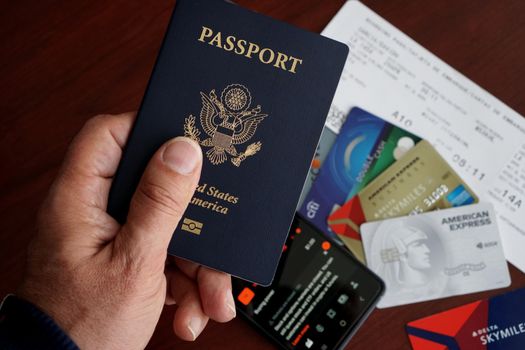
Card products marketed for travel usually fall into one or more of the following categories. Each type has distinct advantages and potential trade-offs.
1. Frequent flyer credit cards
Frequent flyer cards allow cardholders to earn points or miles that can be credited directly to an airline loyalty account. Points are typically earned per dollar spent, with higher rates for certain categories such as flights or travel bookings. These cards can be useful for people who regularly choose the same airline or alliance and want to build a single points balance for award flights or upgrades.
2. Travel rewards credit cards
Travel rewards cards accumulate points in a flexible rewards programme. Points can usually be redeemed for flights, accommodation, car hire, or travel credit through the issuer’s portal. Flexibility can be beneficial for people who travel with different airlines or need a wider selection of redemption options.
3. Cashback cards with travel focus
Some cards offer cashback on purchases and market themselves to travellers. Cashback can be used to reimburse travel spending, but these cards may not provide airline-style perks or travel insurance. Cashback cards suit people who prefer straightforward value rather than points management.
4. Cards with low or no foreign transaction fees
International travellers often look for cards that minimise currency conversion fees. A typical foreign transaction fee is a percentage added to purchases made outside New Zealand or in foreign currencies. Cards designed for travel may reduce or waive such fees, which can result in noticeable savings on overseas spending.
Typical benefits and how they help travellers
Travel cards often combine one or more benefits that are valuable to travellers. Understanding how these benefits work helps when comparing options.
Rewards and points accumulation
Rewards programmes measure value in points per dollar and in the real-world value of each point when redeemed. Higher earning rates in travel or transport categories can accelerate point accumulation. Some programmes offer introductory bonus points for meeting a spending threshold within a set timeframe. Consumers often examine both the earning structure and redemption options to determine how quickly meaningful rewards can be earned.
Travel insurance and protections
Many travel cards include travel insurance, which may cover trip cancellation, lost luggage, medical emergencies overseas or travel delay. Insurance cover commonly requires that travel be paid for with the card to trigger benefits. The level of cover, exclusions and conditions vary widely, so reviewing policy documents is important. Cardholders should consider whether existing insurance through other sources already meets their needs.
Airport lounge access and travel perks
Some travel cards include complimentary or discounted airport lounge access, priority boarding offers, or companion travel benefits. These perks are useful for people who value comfort and convenience at airports or during journeys. Access conditions and participating lounges vary by provider.

Purchase protections
Purchase protection and extended warranty features are common on higher-tier cards. These protections can provide short-term cover for stolen, lost or damaged purchases and extend manufacturer warranties. For travellers who buy equipment or pay for overseas tours, these protections may add value.
Key features to compare
When assessing travel credit cards, it is useful to compare several core features side by side. Below are elements commonly considered important to travelling consumers.
Annual fee
Annual fees range from zero to higher amounts for premium cards with extensive benefits. A higher annual fee may be justified when combined benefits, such as significant lounge access or comprehensive travel insurance, deliver equal or greater monetary value. Consumers may want to calculate break-even points based on expected usage to determine whether an annual fee is reasonable.
Foreign transaction fees
Foreign transaction fees add a percentage to purchases made in non-New Zealand currencies. For frequent international spenders, a card with lower or no foreign transaction fees may reduce overall travel costs. It is useful to check how the issuer applies currency conversion and whether dynamic currency conversion at overseas merchants might add extra fees.
Rewards earning rate and categories
Understanding where a card earns the most points helps align card choice with spending habits. Some cards reward travel and transport categories more generously, while others offer consistent rates across all purchases. Consider typical spending categories such as groceries, fuel and accommodation when evaluating earning structures.
Rewards flexibility and redemption options
Flexible rewards that convert to multiple airlines, hotel chains or travel credit may suit travellers who value choice. Conversely, cards tied to a single frequent flyer programme may provide better value for regular users of that airline. Look at minimum redemption thresholds, blackout dates for airline redemptions and whether points expire.
Supplementary cardholder and family options
Some issuers allow supplementary cards for family members, which can help pool rewards or provide travel protections for multiple travellers. Check whether supplementary cards carry additional fees and how rewards are accumulated across a household.
Insurance limits and exclusions
Travel insurance included with a card has limits, excesses and exclusions. Common exclusions include pre-existing medical conditions, certain types of adventure activities and losses arising from unlawful acts. Consumers may wish to compare policy summaries and consider whether purchased standalone travel insurance is required for specific trips.
How to choose the right card for different travel styles
Different card features suit different travel preferences and budgets. Below are general profiles and the types of card features commonly aligned with each.
Occasional holidaymaker
Occasional travellers who take one or two trips per year may prefer a low-fee card with straightforward rewards or cashback. A card that waives foreign transaction fees and includes basic purchase protection may be adequate for infrequent international trips. If a card includes limited travel insurance, check whether the cover aligns with the planned trip.
Frequent flyer or business traveller
Frequent flyers may prioritise cards that earn airline points directly into a frequent flyer programme, offer higher earning rates on flights and provide lounge access or priority services. Cards with more comprehensive travel insurance and higher benefit thresholds may support frequent travel demands, though these cards often have higher annual fees. It is useful to consider whether the travel pattern aligns closely with a single airline or alliance.
Budget international traveller
Travellers aiming to minimise costs may prioritise cards with no foreign transaction fees and simple rewards that refund travel spending. Low annual fees and transparent fee structures are often a priority. For this profile, cashback or no-fee travel cards may offer the best value without needing to manage points balances.
Practical tips for using travel credit cards
Making the most of a travel card depends on good habits and careful planning. The following general tips are commonly recommended by consumer guides and industry resources.
- Use the card for larger travel purchases that qualify for benefits, such as flights or accommodation, where included insurance may apply.
- Track reward points and expiry dates in a simple spreadsheet or app to avoid losing accumulated value.
- Check foreign transaction fees before spending overseas and avoid merchants that force dynamic currency conversion when it applies less favourable exchange rates.
- Pay monthly balances on time to avoid interest charges that could negate reward value. Interest rates are a separate cost and may apply if balances are not paid in full.
- Review included insurance policy documents before relying on benefits. Some policies require travel to be paid with the card or have other qualifying conditions.
- Consider the value of supplementary cards and whether shared rewards or shared benefits make sense for household travel plans.
Common mistakes to avoid
There are several common pitfalls that reduce the value derived from travel credit cards. Awareness of these issues can help consumers make more informed choices.
Ignoring the annual cost relative to expected benefits
Paying an annual fee for a card with benefits that are not used frequently reduces the net value. Estimating expected lounge visits, insurance utilisation and rewards earnings helps identify whether the fee is justified.
Overlooking insurance exclusions
Assuming travel insurance covers all scenarios is risky. Some policies exclude certain activities or pre-existing medical conditions. Reviewing policy details and buying additional cover when needed is commonly advised.
Letting points expire or using poor redemption options
Points that expire unused or are redeemed at low value diminish the effectiveness of a rewards programme. Understanding the value per point and aiming for higher-value redemptions typically yields better outcomes.
Carrying long-term balances and paying interest
Interest charges can quickly outweigh rewards. Travel cards may have useful perks, but carrying a balance undermines overall value. Consumers may wish to consider interest rates and payment habits when selecting a card.
Where to research and compare travel credit cards
Independent comparison resources can help find current product features and promotions. Comparison websites often list benefits, annual fees and reward structures side by side, making it easier to match cards to travel needs. For example, consumers may review designated travel card pages and frequent flyer card guides to explore available options and common features. The following resources provide useful overviews:
- Credit Cards Compare for general card comparisons and overviews
- Travel credit cards NZ for travel-focused card information
- Frequent flyer credit cards for airline-linked rewards and programme details
Frequently asked questions
Do travel credit cards always include travel insurance?
Not all cards include travel insurance. Many travel-oriented cards do include some form of travel insurance, but cover levels and exclusions vary. Policy terms commonly require that travel be paid for with the card to activate cover, so reviewing the policy summary is important.
Is it better to choose points or cashback?
The best option depends on individual travel habits and preferences. Points may offer higher value for people who redeem for flights and upgrades, while cashback is straightforward and flexible for reducing travel costs. Consumers may evaluate which reward type aligns with their typical spending and redemption habits.
How important are foreign transaction fees?
Foreign transaction fees can add up for travellers who make many purchases overseas or in foreign currencies. Cards that waive these fees may be advantageous for frequent international spenders, while occasional travellers may find other features more important.
Summary
Travel credit cards offer a range of benefits that can support different travel styles. Key considerations include the type of rewards offered, foreign transaction fees, included insurance and the annual fee. Careful comparison of features, realistic calculation of expected benefit usage and thoughtful management of card balances will help users extract value while avoiding common pitfalls. For consumers who want to explore specific travel card options, comparison sites and product pages dedicated to travel or frequent flyer cards are useful starting points.
By aligning a card’s features with typical travel patterns and spending habits, consumers may find a travel credit card that complements their trips and supports rewards goals without unnecessary costs.

