
Introduction
Travel credit cards are often marketed as tools that make travel easier and more rewarding. For New Zealand consumers, choosing the right travel credit card can unlock perks such as travel rewards, complimentary insurance, airport lounge access and streamlined overseas spending. This article explains the common features of travel credit cards, outlines costs and considerations, and offers practical guidance on evaluating options without referring to specific cards or rates. The aim is to provide clear, neutral information to help inform decisions when comparing travel credit cards in New Zealand.
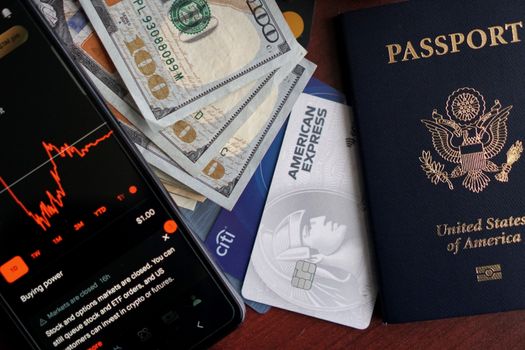
What is a travel credit card?
A travel credit card is generally any credit card that offers features designed to benefit people who travel domestically or internationally. These cards typically emphasise rewards on travel-related spending, support for foreign transactions, and travel-centric customer benefits. They may be branded with airline frequent flyer programmes, global rewards schemes or issuer rewards programmes.
Common travel card features
- Rewards or points that can be redeemed for flights, accommodation, upgrades or travel experiences.
- Complimentary travel insurance or the option to purchase enhanced cover when flights are paid with the card.
- No or reduced foreign transaction fees on overseas purchases.
- Airport lounge access for cardholders or nominated guests.
- Concierge or travel assistance services.
Types of travel credit cards
Travel credit cards fall into several broad categories. Understanding these categories helps to match card features with travel habits.
Frequent flyer and airline co-branded cards
These cards are affiliated with an airline frequent flyer programme and often offer enhanced points earnings for spending with the airline. They can be useful for people who fly regularly with a particular carrier and want to accumulate points for flights or upgrades. Consumers may also find benefits such as priority boarding or discounted companion fares linked to the frequent flyer relationship.
General rewards travel cards
General rewards cards are not tied to a single airline. Points earned can usually be redeemed across a range of travel partners, including multiple airlines, hotel chains and travel portals. This type of card may suit travellers who value flexibility over loyalty to one carrier.
Low-fee or interest-free travel cards
Some travel-oriented cards emphasise lower ongoing fees or interest-free promotional periods. These can be attractive to travellers who prioritise cost control and may want an interest-free option for planned travel expenses. It is important to consider any promotional conditions and the standard interest rate that applies after any introductory period.
Benefits commonly offered by travel cards
Travel credit cards can provide several types of benefits. The value of these benefits depends on individual travel patterns and how the card is used.
Rewards and points
Rewards structures vary. Points may be earned per dollar spent, and bonus points may apply to travel or specific categories. Some programmes offer sign-up bonuses that can provide an initial boost. When evaluating rewards, consumers should consider the ease of redeeming points, partner availability and any limitations such as blackout dates.
Travel insurance
Complimentary travel insurance included with a credit card can cover aspects such as overseas medical expenses, trip cancellation and lost luggage. The scope and limits of cover differ across cards, and many policies require that travel be paid for with the card. Consumers should review policy terms carefully and consider whether separate travel insurance is needed for comprehensive protection.
Foreign transaction fees and exchange rates
Foreign transaction fees, sometimes called foreign currency conversion fees, are a significant consideration for travellers. Some travel credit cards waive or reduce these fees, which can save money on overseas purchases. It is also useful to be aware of how currency conversions are processed and whether dynamic currency conversion may apply when using the card abroad.
Airport lounge access and travel services
Higher-tier travel cards sometimes include complimentary or discounted access to airport lounges, either directly or via third-party programmes. Concierge services, upgrades and priority services may also be part of premium travel card packages. The practical value of these perks depends on travel frequency and personal preferences.

Costs and fees to be aware of
Travel credit cards often combine benefits with fees and other costs. Understanding these costs is essential to determine whether a card is cost-effective.
Annual fees
Annual fees can range from no fee up to significant yearly charges for premium benefits. When assessing annual fees, consumers should compare the estimated monetary value of benefits against the fee and consider realistic usage. For example, frequent travellers may extract more value from lounge access or included insurance, while less frequent travellers may not.
Interest rates and promos
Standard interest rates on unpaid balances can be high, and promotional interest-free periods may apply only for a fixed term. Carrying a balance reduces the effective value of rewards and can result in interest charges that outweigh travel benefits. Consumers should consider payment habits and choose a card with terms that align with intended use.
Foreign transaction and cash advance fees
Even when a card reduces foreign transaction fees, cash advance fees and interest on cash withdrawals usually apply. These costs can be substantial and may negate travel benefits if cash is used frequently abroad. Consumers may prefer cards that explicitly state a low or no foreign transaction fee for purchases.
How to choose a travel credit card
Selecting an appropriate travel credit card involves matching card features to travel habits, financial behaviour and personal priorities.
Assess travel frequency and patterns
Consider how often travel occurs, preferred airlines, typical destinations and whether travel is domestic or international. Frequent flyers for a single airline may benefit from airline co-branded cards, while occasional travellers or those who use multiple carriers may prefer flexible rewards programmes.
Estimate realistic rewards value
Calculate expected rewards earnings based on typical spending to estimate how quickly points accumulate. Include any sign-up bonuses and factor in redemption restrictions. Consumers may find it useful to compare redemption options, such as flights, upgrades or gift cards, to estimate real-world value.
Compare insurance and protection features
Review the scope of travel insurance carefully. Important elements include overseas medical cover, cancellation and postponement cover, baggage and personal effects cover, and any exclusions. Check whether insurance covers companions or family members and whether activation conditions, such as purchasing travel with the card, apply.
Evaluate fees relative to benefits
Balance the total annual and transactional costs against expected benefits. A zero-fee card with limited benefits may be preferable for some travellers, while others may accept a higher annual fee if the card provides tangible savings or conveniences. Remember that interest on unpaid balances can quickly negate reward benefits.
Using travel credit cards abroad
Practical use of a travel credit card while overseas requires attention to transaction settings, security and local payment practices.
Notify the issuer and manage fraud protection
While some card issuers automatically monitor overseas activity, consumers may choose to notify the issuer before travel to reduce the risk of transactions being declined. It is also advisable to use secure payment methods, enable transaction alerts and keep contact details for lost or stolen cards easily accessible.
Be aware of chip and PIN versus signature
Different countries and merchants may prefer chip and PIN, contactless, or signature methods. A travel credit card with both chip and PIN functionality and contactless support increases acceptance globally. Having a backup payment method can be useful in places where certain card technologies are less common.
ATM withdrawals and cash advances
Withdrawing local currency from an ATM with a credit card often incurs cash advance fees and immediate interest charges. It is generally more cost effective to use a debit card or exchange currency before travel where possible. When cash is needed abroad, check the card terms to understand any associated costs.
Common pitfalls and how to avoid them
There are several recurring mistakes that can reduce the value of a travel credit card. Awareness of these can help in making more informed choices.
Overvaluing rewards
Rewards can be attractive, but overestimating their value may lead to choosing a card that costs more than the benefits justify. Consumers should use realistic spending estimates and factor in redemption restrictions and point devaluation over time.
Ignoring the insurance fine print
Complimentary travel insurance often comes with exclusions and limits. Medical cover may exclude pre-existing conditions, and some policies require travel to be paid with the card to be valid. Reviewing the insurance policy details avoids unpleasant surprises during a claim.
Failing to account for currency conversion choices
Dynamic currency conversion (DCC) can allow merchants to charge in NZD while abroad, often at an unfavourable rate. Consumers may find better exchange rates by choosing to pay in the local currency and letting the card issuer handle conversion, subject to the issuer’s foreign transaction fee policy.
How to compare options without specific card rates
When comparing travel credit cards, the focus should be on structure and suitability rather than exact numerical rates, which change over time.
Use comparison resources
Comparison websites and issuer pages provide up-to-date descriptions of features and typical use cases. For example, resources that collect information about travel credit cards, frequent flyer cards and rewards programmes can help narrow choices. Consumers may find it useful to consult dedicated pages on travel card features, rewards structures and general card types.
Examples of comparison categories to explore include travel credit cards, frequent flyer credit cards and best credit card rewards in New Zealand. These categories can be searched to understand current market offerings and common benefit patterns. A few reputable sources aggregate feature lists for easier comparison.
Practical checklist before applying
- Confirm eligibility criteria such as age and residency.
- Estimate annual spending and likely rewards accumulation.
- Review travel insurance inclusions and exclusions.
- Check foreign transaction and cash advance fees.
- Consider the value of any promotional offers against the card’s ongoing cost.
- Plan how to manage payments to avoid interest charges if carrying a balance is a possibility.
Conclusion
Travel credit cards offer a range of benefits that can complement the needs of different types of travellers in New Zealand. Selecting an appropriate card depends on travel frequency, preferred airlines, spending patterns and tolerance for annual fees. Consumers may find it useful to compare broad features such as rewards flexibility, insurance cover, foreign transaction fees and practical perks like lounge access before making a decision. For those who prefer a quick starting point, trusted comparison categories such as travel credit cards, frequent flyer credit cards and rewards-focused credit cards can assist in narrowing options and highlighting features that matter most.
For further information and current product listings, consumers can consult comparison resources that specialise in credit card and travel card features. Examples include general travel credit card guides and detailed pages on frequent flyer and rewards credit cards.
Relevant resources to explore include a travel credit cards overview and pages comparing frequent flyer and rewards options for New Zealand cardholders:
Making an informed choice involves careful consideration of both the benefits and the costs. By focusing on features that align with travel habits and financial practices, consumers can select a travel credit card that better supports their travel needs.

